
Love Knows NO Boundaries: Creating a Supportive Shared Living Environment


Understanding the Importance of a Supportive Environment
Creating a supportive shared living environment is essential for fostering healthy relationships and personal growth. When individuals from diverse backgrounds come together, the key to a harmonious coexistence is mutual respect and understanding. A supportive atmosphere encourages open communication, empathy, and cooperation.
Living with others can present challenges, but with the right approach, these can be transformed into opportunities for learning and connection. By embracing the differences and celebrating the unique qualities each person brings, households can create a nurturing and inclusive space for everyone.

Building Strong Foundations
To create a supportive shared living environment, start by establishing clear and respectful communication. Open dialogues about expectations, boundaries, and responsibilities can prevent misunderstandings and foster trust. Regular house meetings can be an effective way to ensure everyone’s voice is heard and valued.
Shared living spaces thrive on cooperation. Establishing ground rules that everyone agrees upon helps maintain order and fairness. Whether it's setting a cleaning schedule or dividing household expenses, collaboration is key to a harmonious living situation.
The Role of Empathy and Understanding
Empathy is a cornerstone of supportive shared living. By putting yourself in others' shoes, you can better understand their perspectives and feelings. This not only enhances personal relationships but also creates a climate of mutual support and encouragement.
Understanding that everyone has unique needs and challenges is crucial. Recognizing these differences and offering support when needed strengthens the bonds between housemates. It’s important to celebrate milestones together and provide comfort during difficult times.

Creating Shared Experiences
Shared experiences are a powerful way to build connections. Whether it's cooking a meal together, watching a movie, or exploring a new hobby, these activities foster camaraderie and create lasting memories. They also provide opportunities to learn more about each other's cultures and interests.
Organizing regular social events can also enhance the living experience. These gatherings allow housemates to unwind, have fun, and strengthen their relationships outside the routine of everyday tasks.
Embracing Diversity and Inclusion
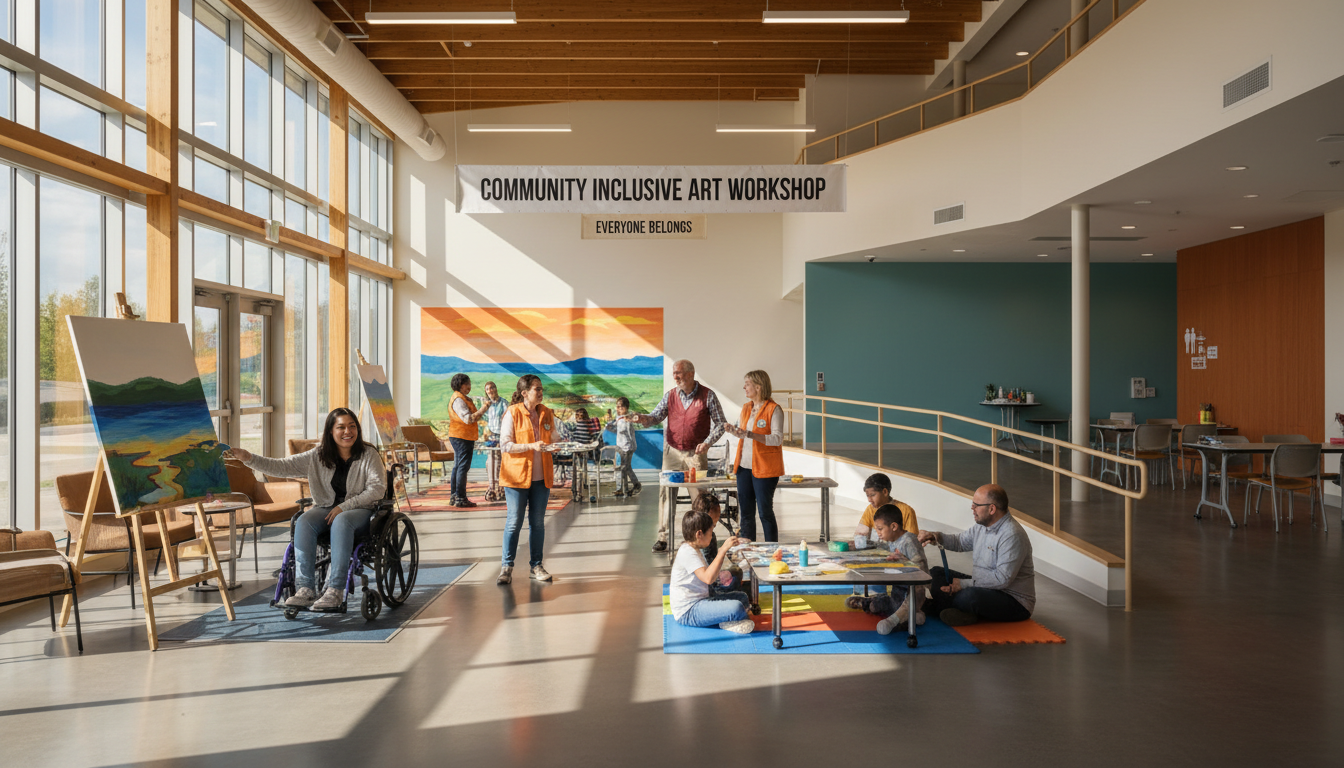
Diversity is an asset in any shared living environment. By embracing different cultures, lifestyles, and perspectives, housemates can enrich their lives and broaden their horizons. Encouraging inclusive practices and celebrating diversity can lead to a more vibrant and dynamic household.
Maintaining Balance and Harmony
While fostering a supportive environment, it's important to maintain a balance between communal and personal space. Respecting each other's need for privacy and downtime is essential for preventing burnout and ensuring everyone feels comfortable in their home.
Regular check-ins can help maintain harmony. By addressing any issues promptly and constructively, housemates can prevent small problems from escalating and ensure a positive living experience for all.
In conclusion, creating a supportive shared living environment requires effort, empathy, and collaboration. By fostering open communication, celebrating diversity, and building strong connections, love truly knows no boundaries, and everyone can thrive in a nurturing and inclusive home.