
The Benefits of Structured, Stable Living for Seniors: A Comprehensive Guide


Understanding Structured Living
As we age, the importance of having a structured and stable living environment becomes increasingly clear. For seniors, structured living means having a predictable routine and a supportive environment that enhances well-being. This approach caters to both physical and emotional needs, offering a sense of security and peace of mind.
Structured living environments often include amenities and services specifically designed to cater to the needs of older adults. These may range from health care services to recreational and social activities that foster connection and engagement.
The Emotional Benefits
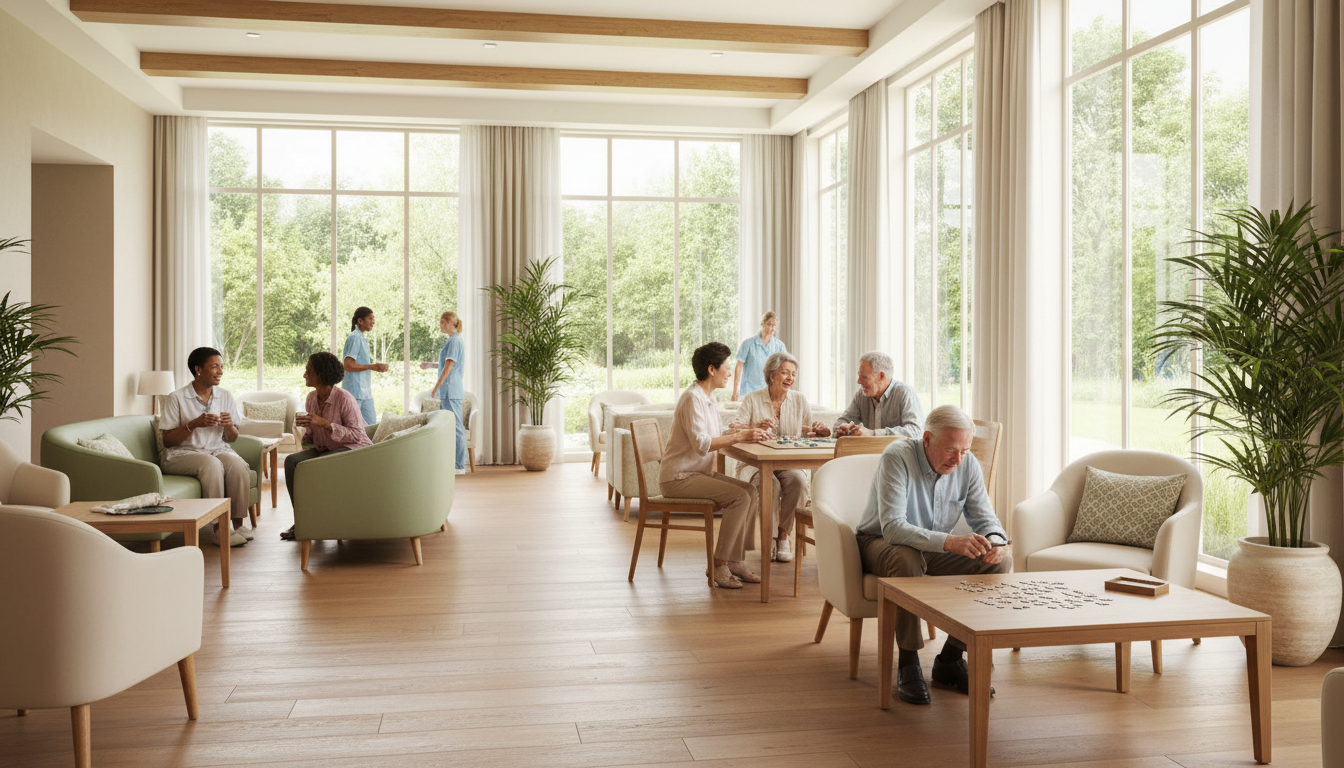
One of the primary benefits of a stable living environment is the emotional support it provides. Seniors often face challenges such as loneliness and isolation, which can impact mental health. Structured living environments offer opportunities for social interaction, reducing feelings of loneliness and promoting mental well-being.
Additionally, these settings often include access to counseling and support groups, which can be invaluable for those dealing with the emotional aspects of aging. Having a community of peers going through similar experiences can be comforting and empowering.
Encouraging Independence
While structured living provides support, it also encourages independence. Many seniors appreciate the balance of having assistance available when needed, while still maintaining control over their daily lives. This autonomy is crucial for maintaining self-esteem and a sense of purpose.

Physical Health and Safety
A stable living environment is designed with safety in mind. From fall-prevention measures to emergency response systems, these settings prioritize the physical health and safety of residents. This ensures that seniors can enjoy their golden years with peace of mind.
Moreover, access to healthcare professionals and regular health monitoring helps in early detection and management of potential health issues. This proactive approach can significantly enhance the quality of life for seniors.
Nutrition and Wellness
Structured living environments often provide nutritious meals that cater to the dietary needs of seniors. Proper nutrition is essential for maintaining energy levels and overall health, and having meals prepared by professionals ensures a balanced diet.

Community and Connection
Being part of a community is one of the most rewarding aspects of structured living. Regular social activities and events provide opportunities for seniors to form friendships and build a supportive network. This sense of belonging is vital for emotional and mental health.
These communities often feature clubs, classes, and outings that cater to a wide range of interests, allowing seniors to pursue hobbies and discover new passions. Staying active and engaged is key to a fulfilling and happy life.
Choosing the Right Environment
When considering a move to a structured living environment, it's important to assess the specific needs and preferences of the individual. Factors such as location, available services, and community culture should all be taken into account to find the perfect fit.
Consulting with professionals and touring various communities can help make an informed decision that aligns with personal goals and lifestyle preferences. The right environment will not only meet physical needs but also foster a sense of community and fulfillment.